Rubber can mainly be categorized into two basic groups: natural rubber and synthetic rubber. But what is rubber made of? Natural rubber is a substance obtained from the latex of some tropical plants, while synthetic rubber is made from petroleum products. Both types have their own use areas and are widely benefited. Rubber Eurasia offers its visitors the chance to see the rubber products and production technology at Tüyap Fair and Congress Center on 15-18 April 2026. You will be able to experience meeting your next potential business partner and starting important business cooperations throughout this comprehensive event. Reading further, you will also find the answers to "What is rubber, what is it made of, what are the rubber products and services used in the sector?" Do not forget to see our online ticket options to be a visitor, or book your stand to take your place among the other exhibitors.
Basic Rubber Types
Rubber types are basically determined for their oil, weather, or temperature resistance. You can see the different sorts of rubber listed below:
- Natural Rubber (NR): Known for its excellent elasticity and flexibility. It is widely used in tires, belts, seals and various industrial products.
- Styrene-Butadiene Rubber (SBR): A synthetic rubber commonly used in the automotive industry, especially for tire production, thanks to its good abrasion resistance.
- Nitrile Rubber (NBR): Highly resistant to oils and fuels, which makes it suitable for hoses, gaskets and seals used in automotive and industrial equipment.
- Ethylene Propylene Diene Monomer (EPDM): Known for its strong resistance to weather conditions, UV rays and ozone. It is frequently used in roofing materials, automotive parts and outdoor applications.
- Neoprene (CR - Chloroprene): Offers good resistance to oil, chemicals and weathering. It is commonly used in industrial belts, hoses and protective equipment.
- Silicone Rubber (SIL/Q): Performs well in both high and low temperature environments. It is often used in medical products, electronics and kitchen equipment.
- Butyl Rubber (IIR): Known for its excellent air retention properties and chemical resistance. It is widely used in inner tubes, seals and insulation materials.
- Viton (FKM/Fluorocarbon): A high-performance rubber with strong resistance to heat, chemicals and fuels. It is commonly used in aerospace, automotive and chemical industries.
- Polyurethane Rubber (PU): Offers high abrasion resistance and durability. It is widely used in industrial rollers, wheels and various mechanical components.
Products Made of Rubber
Rubber products are widely used in versatile industries, from automotive to transportation, medical to household goods, construction to recreation. You can see the most common products made from rubber categorized depending on sectors and their properties below.
- Automotive: Rubber is one of the most used materials in the automotive industry. It is used in tires, seals, gaskets, hoses and vibration control parts. These components help reduce friction, absorb shocks and protect the vehicle from external factors such as dust, water and heat.
- Transportation: In transportation systems, rubber materials are used to increase safety and durability. Train components, conveyor belts, seals and various mechanical parts are often produced with rubber because of its flexibility and resistance to wear.
- Medical: Rubber materials are also widely used in the medical sector. Products such as medical gloves, tubes, seals and protective equipment are made of rubber. Its elasticity and ability to create airtight seals make it suitable for healthcare applications.
- Household Goods: Many everyday products contain rubber components. Kitchen tools, cleaning equipment, seals in household appliances and various protective covers are often made from rubber. These products benefit from rubber’s flexibility, grip and durability.
- Construction: In the construction industry, rubber is used for insulation, sealing and vibration control. Roofing membranes, sealing materials, gaskets and flooring systems often include rubber components because they can withstand weather conditions and provide long-term durability.
- Recreation: Rubber is also used in various recreational products. Playground surfaces, protective mats and outdoor equipment often use rubber materials because they are flexible and can absorb impact, making them safer for users.
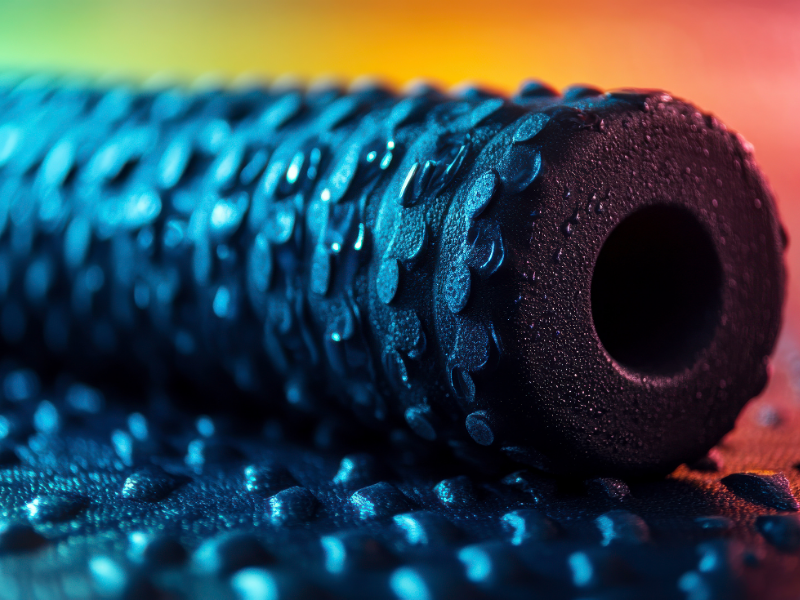
- Sports: Many sports products are produced using rubber. Balls, shoe soles, fitness equipment and protective gear often contain rubber parts. The material provides grip, elasticity and durability, which are important qualities for sports equipment.
You can also see the whole products exhibited at Rubber Eurasia on our 2026 Product List page.
Grab the Chance to Meet Rubber Manufacturers
Rubber Eurasia provides a valuable platform for professionals who want to connect with leading rubber product manufacturers from different parts of the world. During the event, visitors can explore a wide range of rubber materials, production technologies and industrial solutions presented by experienced companies in the sector. The exhibition also creates an ideal environment for establishing new business relationships. By meeting rubber manufacturers face to face, participants have the opportunity to exchange ideas, discuss potential projects and explore partnership opportunities that may support future business growth. In addition to discovering the latest developments in the industry, visitors can also expand their professional networks and strengthen their position in the market. Do not forget to visit our Exhibitor List page!
You can also read our article "Rubber Manufacturing: Processing & Machinery"to learn more about the production process.